

Freelance digital marketing has become more than just a side hustle; it is now a full-time career for many people around the world.
If working from anywhere, selecting projects of your own choice, and deciding how much you want to get paid sounds cool to you, then freelance digital marketing is the right career choice for you.
However, to become a successful freelancer in digital marketing, you need to build solid skills, a strong relationship with your clients, and learn different tools. In this guide, we will walk you through everything you need to learn about freelance digital marketing.
Find out all the skills and tools you should learn, how to set rates, a strategy to land clients, and much more.
30-Second Summary
The freedom of choosing your workload and income makes freelance digital marketing worth trying. But how to start it?
In this blog, you will explore what freelance digital marketing is, the types of services you can offer, the skills you need to grow, and how to start it.
Moreover, learn about the salaries of freelancers, portfolio building, important tools, challenges, and trends of freelance digital marketing, and its comparison with an agency’s digital marketing.
What is Freelance Digital Marketing?
Freelance digital marketing is all about growing businesses online, but instead of doing it in an office, you work independently. A freelance digital marketer takes on projects or monthly contracts and gets paid for them.
You have the freedom to choose your clients and workload. Businesses, from startups to established ones, hire freelance marketers to generate leads, run campaigns, and optimize content.

You do not need a marketing degree or years of experience to become a successful freelance marketer; you need to show the value that you bring with your work. It is a rewarding career if you have the right skills and a strong business sense.
Types of Freelance Digital Marketing Services
As a freelance digital marketer, you can focus on one or two services while also collaborating or outsourcing work that is outside of your niche.

Here is what you can offer.
- SEO (Search Engine Optimization): Includes improving the visibility of clients’ websites using keyword strategies, content planning, and technical audits.
- Social Media Marketing: Involves planning and creating content for social media, running ads on different social platforms, monitoring engagement, and building community through messages and comments.
- Content Marketing: Creating blog posts, landing pages, ad copy, and repurposing content into videos and podcasts, etc.
- Email Marketing: Includes creating email marketing campaigns to interact with and engage subscribers and convert them into long-term clients.
- PPC (Pay-Per-Click) Marketing: Involves planning, setting up, and optimizing different ad campaigns to increase leads or sales.
- Analytics and Reporting: Using different analytical tools to track the performance of the campaigns and extract insights.
These jobs are great if you want to work independently and on your own schedule. Some freelancers keep working part-time, while others jump into them and make them their main career.
Demand for Services
| Digital Marketing Domain | Demand Level Worldwide | Key Considerations |
| SEO (Search Engine Optimization) | High | Businesses continue to invest significantly in organic traffic and search rankings. |
| Social Media Management and Content Marketing | High | Strong demand for social‑media presence, short‑form videos, and brand engagement. |
| Paid Ads and Performance Marketing (Google, Meta, TikTok) | Medium to High | In demand, but competition and ad costs are increasing in the entire world. |
| Email Marketing and Automation | Medium | Still valuable, especially for retention and workflows, but not as thriving as SEO or social media. |
| Remote Digital Marketing Work and Freelancing Platform Skills | Medium | Growing as remote work expands, but it is more niche compared to core marketing functions. |
Skills Needed for Freelance Digital Marketing
You cannot fully morph into a successful freelance digital marketer role until you have an ideal skill set. As we said above, you do not need a formal degree; you need to stay curious and keep learning.
Whether you have just started to explore freelance digital marketing or are already participating in courses, the following are the basic skills that make a freelance marketer stand out.
Technical Skills
| Skill | Difficulty Level | Notes |
| SEO | Medium to High | Requires understanding of algorithms, keyword research, on-page and off-page SEO, and any ongoing updates. Technical and strategic skills take time to adopt. |
| Social Media Marketing | Medium | Managing business accounts involves strategy, content planning, analytics, and community engagement. Easier to start than SEO, but achieving improved results needs experience. |
| Content Writing and Copywriting | Medium | Writing clearly and persuasively is a skill any person can start learning, but high-quality copy that converts needs proper practice and industry knowledge. |
| Basic Graphic Editing | Low | Simple visuals can be learned quickly with tools like Canva. More advanced graphic design is more difficult. |
| Analytics | Medium to High | Reading and interpreting data is technical. Actionable insights require some experience. |
Soft Skills
As a freelance marketer, you will be working independently. Therefore, learn the following soft skills for client success.

- Communication: This skill enables you to handle emails, pitch clients, and understand the feedback effectively.
- Time Management: This is an important skill that allows you to handle multiple deadlines without burnout.
- Client Servicing: This skill makes you stand out by being professional, maintaining clear communication, and proactively updating your clients at every step.
How to Start Freelance Digital Marketing
Here is a simple, step-by-step approach on how to become a freelance digital marketer.

Choose your Specialty
The options are vast. Instead of trying to offer every service, start by focusing on only one or two. They could include
- SEO
- Social Media Marketing
- Google or Meta Ads
- Email Marketing
When you narrow the focus areas, you learn faster, create a targeted portfolio, and land clients who are looking for specific services. You can always increase your skillset and expand your services as you grow your career.
Build your Skills and Portfolio
After picking a niche, start building your skills to show your clients what you can do for them. You do not need real clients to create a portfolio. You can make sample projects on your own website.
Start using
- Mock projects that are similar to real campaigns.
- Personal blogs and landing pages to demonstrate writing and SEO skills.
- Low-budget ad campaigns to show how you can handle media spend.
- Case studies or before-and-after samples based on your test work.
Keep documenting your learning, results, and process. These samples help you stand out, oftentimes better than certificates.
Create Freelance Profiles
Having an online presence is absolutely necessary for remote digital marketing work. You need to create strong profiles on social media platforms to improve your visibility and connect with potential clients.

Some important digital marketing freelancing platforms are
- Upwork
- Fiverr
Your profile should clearly highlight your niche. A solid bio, a professional picture, and a diverse portfolio are necessary to complete a profile. You can also use keywords like “SEO freelancer” or “Google Ads specialist” to appear in searches.
Start Reaching Out
You need to go after clients using the right strategy instead of waiting for them to find you. You can use the following to reach out to clients.
- Cloud outreach through DMs or emails.
- Creating networks in Facebook groups, Slack groups, and LinkedIn communities.
- Referrals from friends or past colleagues.
Deliver Work and Collect Testimonials
When you land projects at the beginning of your career, you need to be careful. Stick to the timeline, deliver value, and communicate clearly. Once you are done, ask your clients to give you a testimonial.

You can show these positive reviews on your website or blog and attract new clients who can trust your services. Keep delivering high-quality work to create a trustworthy identity in the market.
Set your Pricing and Keep Thriving
You can start charging per project instead of per hour once you finish a few projects. You can also go for monthly plans (called retainers) where clients pay you every month. This helps you earn a steady income while also working with the same clients for a long time.
Portfolio Building for Digital Marketers
A great portfolio includes the following.
- A short introduction about you and your approach.
- Samples of content, ad campaigns, SEO audits, and designs.
- Short case studies, even for personal projects.
- Results such as an increase in website traffic, improved brand tone, and a boost in engagement rates.

The main focus of the clients is what you can do; this is why, sometimes, a portfolio stands out more than a degree.
Digital Marketing Tools for Freelancers
You do not need expensive tools in the beginning. Starting with the free ones or low-budget ones is a great idea.
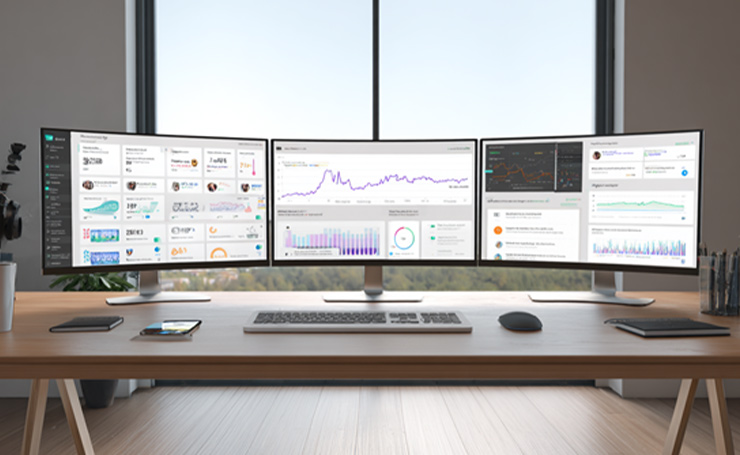
- Google Ads: Ideal for paid search and display advertising.
- GA4 (Google Analytics 4) and Looker Studio: Great for tracking website performance and dashboard reports.
- SEMrush and Ahrefs: Advanced tools for keyword planning and SEO audits.
- HubSpot and Mailchimp: Used for email segmentation and automation.
- Canva: Perfect for creating visual designs for social media and blogs.
- Google Sheets and Notion: Suitable for campaign tracking and project management.
How Freelance Digital Marketers Find Clients
You can find clients from these sources.

- Referrals from people you know
- LinkedIn content and networking
- Local business outreach
- Making your portfolio visible on social media platforms
- Different freelancing platforms, such as PeoplePerHour, Upwork, Fiverr, and Freelancer.com.
The most effective approach is starting with one platform and sticking with it.
How Freelancers Set Marketing Rates
The rates depend on several factors, such as
- Your skill level
- Complexity of the project
- Your experience
- Types of businesses you are working with
The pricing formats are
- Hourly rates
- Project-based pricing
- Monthly management fee

Set prices modestly. You can always increase the rates as you grow your skills and confidence.
What Salary to Expect
One of the biggest perks of freelancing is controlling how much you earn. There is no fixed salary when it comes to freelance digital marketing. However, here’s what you can expect based on your experience.

Entry-level (0 to 1 year)
Hourly Rate: $10 to $25
Monthly Income: $500 to $2000
Mid-level (1 to 3 years)
Hourly Rate: $30 to $60
Monthly Income: $2,500 to $5,000+
Experienced (more than 3 years)
Hourly Rate: $75 to $150+
Monthly Income: $6,000 to $10,000+
Freelance vs Agency Digital Marketing
| Feature | Freelancing | Agency |
| Flexibility | High | Low |
| Earnings | Can vary and are scalable | Stable but limited |
| Workload | You handle everything | Tasks shared among teams |
| Control | Full control | Less control |
Benefits of Hiring a Freelance Marketer
If you are looking to hire a freelance digital marketer, you get multiple benefits.
- Cost-effectiveness
- Flexible
- Easy to communicate with
- Personalized with attention

Hiring freelancers is an excellent option, particularly for startups and small businesses.
Challenges in Freelance Marketing
- Irregular Income: You can work with monthly retainers to get a consistent income every month.
- Finding Initial Clients: You need to build a strong portfolio and establish a solid outreach routine.
- Balancing Multiple Tasks: Start using project planning tools to handle multiple deadlines.
- Staying Updated: Keep learning continuously about the latest trends.

Digital Marketing Trends for Freelancers
Here are some trends you need to learn to stay afloat in the cutthroat market.
- Short-form video marketing
- Use of AI tools in content creation and analysis
- Data-backed marketing strategies
- Personalized customer experiences
- Influencer and collaborative marketing

Staying updated on all the latest trends ensures that you stay valuable to your clients.
Wrapping It Up
Freelance digital marketing is a career that offers independence and financial potential. The best part is that you do not need a formal degree or years of experience. All you need is the right skill set, a good portfolio, and a willingness to learn.
To stay updated on the latest digital landscape, feel free to visit The Digital Advice.
FAQs
Which Freelance Digital Marketing Skills Should I Learn?
The best skills to learn depend on your strengths. However, most beginners start with Social Media Managment, basic SEO, and Content Writing. They are easy to learn and practice.
Can I pursue part-time freelance digital marketing while studying or working full-time?
Yes, freelance digital marketing provides you with flexibility, and you can manage it part-time. Many freelancers start their careers alongside their studies or day jobs. You can schedule tasks around your availability and scale work when you get free time.
How long does it take to become a Freelance Digital Marketer?
It takes approximately 2 to 6 months on average to learn the basics and create samples for your portfolio. Landing your first client can take some time, depending on your outreach strategy. The more you practice and share your work, the faster you grow as a freelancer.