
20 Second Summary
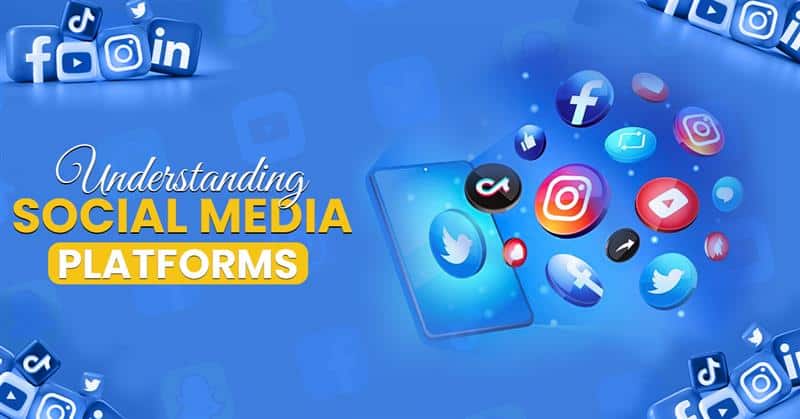
This guide breaks down the biggest platforms – Facebook, Instagram, TikTok, LinkedIn, and Twitter/X – so you know exactly who’s using them, what content works, and how to build the best digital marketing strategy for reach.
Whether you’re a small business owner dipping your toes into the online world or a digital marketer trying to level up your brand’s presence, one thing is clear: understanding social media platforms is no longer optional. It’s essential.
Social media isn’t just for selfies or trending dances anymore. Today, it’s a full-blown ecosystem of digital marketing channels, each with its own language, audience, and secret sauce.
From the professionalism of LinkedIn to the fast-paced virality of TikTok, knowing where your brand fits or how to make it fit is important. It can be the difference between being seen and being scrolled past.
In this social media guide, we’ll break down the major platforms and cover user demographics, types of content, and which platform is best suited for your goals.
Facebook: Is It Still Relevant?
Facebook might not be the flashiest kid on the block anymore, but it would still be a mistake to disregard it altogether.
Facebook remains a cornerstone of most digital strategies. With nearly 3 billion active users worldwide, it’s one of the most versatile social media platforms for reaching a wide range of audiences.
Title: Popular Types of Posts on Facebook
- Text
- Images
- Videos
- Stories
- Reels
Who’s on Facebook?
While most of the Gen Z started flocking to TikTok and Instagram long ago, Facebook is still the go-to social media app for Millennials, Gen X, and Boomers.
That makes it an ideal platform for businesses that are targeting people aged 25 and above, especially for family-oriented services, local businesses, and lifestyle brands.
What Kind of Content Suits Facebook?
Every platform has its own algorithms, users, and content type that just works.
Facebook is popular for:
- Long-form posts and stories: Facebook users are more willing and open to engage with detailed content compared to other platforms, whose users prefer short and quick reels.
- Videos (especially live): Facebook Live still has strong engagement, especially for product demos and Q&As.
- Groups: Niche communities are thriving in Facebook Groups, and they’re amazing for community engagement.
Facebook Marketing
If you’re looking for digital marketing channels that offer strong audience targeting, robust ad tools, and great brand-building potential, Facebook continues to deliver.
It’s especially powerful and beneficial for:
- Local businesses that offer location-based services.
- E-commerce brands that are targeting older or more established demographics.
- Service-based business looking to build credibility through reviews, community presence, and consistent posts.
Tips for Marketing on Facebook
Facebook has a dedicated section and set of tools for businesses and promotions. You can promote your brand or products through ads or by boosting your posts.
Make sure you:
- Use Facebook marketing tools like Meta Business Suite to schedule posts, monitor engagement, and run targeted ads.
- Engage in groups where your target audience hangs out. Just don’t be sales-y or straight-up start promoting your business. Be helpful and give advice instead – that attracts more people.
- Always respond to comments and messages as quickly as you can. Facebook will reward active engagement, and it puts a positive image in front of your target audience.
Instagram: Aesthetics and Visuals
When it comes to visual storytelling, Instagram is the best social media platform. With over 2 billion users, half of whom are consistently active, it’s one of the most powerful digital marketing channels for brands.
If you want to be seen and remembered, don’t ignore Instagram – create your profile right now.
Who’s on Instagram?
Instagram’s core audience leans toward the younger generation. The most active users are Millennials and Gen Z.
This platform is especially popular with people aged 18 to 34, which makes it ideal for brands in fashion, beauty, wellness, travel, lifestyle, and food.
Even B2B businesses, brands, and creators have established their presence on Instagram.
What Kind of Content Works
Since Instagram is usually for visuals, the most popular kind of content includes:
- Reels: Have you noticed how younger people today are obsessed with TikTok? It just proves that short and catchy videos get the best reach. Reels do exactly that.
- Stories: Though only available for 24 hours, they’re perfect for everyday engagement, flash sales, polls, Q&As, and behind-the-scenes peeks.
- Grid posts: That’s how Instagram shows a profile. At first glance, you’d want your posts to look consistent, follow a theme, or just look interesting enough for the user to stay. Build an aesthetic.
- Carousels: While users only see the first slide of a post, carousels are great for storytelling, tutorials, and educational content.
How Instagram Strategy Works
Instagram isn’t just for aesthetics. It also boosts your online visibility.
A smart Instagram strategy is to focus on both content and consistency. Whether you want to build brand awareness, promote your products, or create a personal brand, being consistent is important.
Title: Instagram Marketing Strategies
- Optimize your profile
- Use hashtags
- Encourage mentions/tags
- Try Instagram ads
- Set up a shop
Instagram also offers a wide range of tools to help you grow, including:
- Instagram Shopping: You can sell directly from your posts.
- Insights: It lets you track and see what’s working and what’s not.
- Collaborations and Influencer partnerships: Best for boosting your reach beyond your current audience.
Instagram Marketing Tips
When building your online brand on Instagram, here are some things to keep in mind:
- Keep it authentic. Instagram and its users prefer realness over perfection now.
- Use trending sounds and hashtags in reels. This makes your brand easier to be discovered because hopping on the most recent trend = higher reach.
- Aim to post when most of your audience is active. Use Instagram Insights to figure out the best time to post.
- Use Link in Bio tools, like Linktree or Later, to direct potential customers to your other social media accounts and websites.
- Be creative and consistent. Instagram is a great way to connect with your audience, but you need to stand out.
Take the time to plan and build your strategy, and the engagement will follow.
TikTok: Viral Playground for Brands
TikTok is fast, chaotic, and weirdly addictive. It’s the home of trends, transitions, and ten-second fame.
With over 1.5 billion users globally and counting, TikTok isn’t just an app that only Gen Z uses. It’s one of the fastest-growing social media platforms for both users and brands.
TikTok started gaining popularity in early 2018 or late 2017, and by 2021, it had reached the number of users that took Facebook and Instagram double the time to achieve.
Who’s on TikTok?
TikTok is primarily used by people aged 16 to 24, but now Millennials and even Boomers are joining in on the fun.
If you want to target an audience that is chronically online, always scrolling, and eager to keep up with trends, TikTok is the place for you.
But TikTok for business isn’t just limited to trendy stuff. It has become a powerful digital marketing channel for multiple industries, from finance to fitness, education to e-commerce.
What Kind of Content Rules TikTok?
Since the younger generation seems to have an increasingly shorter attention span, it’s best if you stick to:
- Short-form videos. Anywhere from 3 seconds to 3 minutes is good. Try to keep it as short as possible – and catchy, so it sticks.
- Authentic and raw storytelling. Traditional ways like sharing generic ads feel out of place on TikTok.
- Using trending audio and memes. People love the latter.
- Behind-the-scenes clips to build relatability.
- Sharing life hacks, because that’s the main theme of TikTok.
The less you try to look like an ad or like you’re promoting something, the better.
Why TikTok Is Worth It
TikTok’s algorithm is exceptionally smart. It pushes content to users based on interests, not follower count.
This means if you’re a small business or brand with virtually no following, you can still go viral overnight. How? Use the right content that appeals to TikTok users.
Title: TikTok Marketing Tips
- Use trending hashtags
- Duet or repost videos
- Skip the editing
- Respond to comments with videos
Some reasons you shouldn’t wait anymore to create a TikTok account for your business are:
- You can get massive organic reach.
- You have the creative freedom and don’t have to stick to traditional, boring ways of promotion.
- TikTok has shop integration for direct selling.
- It offers built-in tools like TikTok Ads Manager to help with targeted paid campaigns.
Tapping Into TikTok Marketing
With all the benefits and potential, who wouldn’t like the idea of becoming a success overnight?
So, how do you do it?
- Jump on trends early. Notice a sound, challenge, or format going viral? Pick it up and post something relevant to your brand to blow up fast.
- Use captions and hooks within the first few seconds of a video to grab attention.
- Collaborate with micro influencers to build trust and relatability.
Finally, remember that on TikTok, being “too polished” can actually hurt your chances. Authenticity and relatability win here. Don’t be afraid to show your personality.
LinkedIn: The Professional Powerhouse
If TikTok is the fun party, LinkedIn is the networking event that you don’t want to skip.
With over a billion users, it’s the perfect digital marketing platform for building credibility, showcasing your expertise, and maintaining B2B relationships.
Who’s on LinkedIn?
LinkedIn isn’t just for job seekers anymore.
Since it’s the more serious side of social media, on LinkedIn, you’ll mostly be interacting with:
- Business professionals
- Recruiters
- Business owners
- Industry experts
The age range that is most active on LinkedIn is 25 to 49, although you might find younger users too.
If your goal is to reach decision-makers or establish authority in your field, LinkedIn is your go-to digital marketing channel.
What Kind of Content Performs Best?
To maximize your reach and following on LinkedIn, aim for:
- Educational content, including how-to guides and industry insights.
- Professional achievements, like new hires, products, or milestones.
- Videos and polls.
- Behind-the-scenes from your team (a little relatability won’t hurt).
- Personal stories with a professional twist – the LinkedIn algorithm will eat this up.
In short, go for a professional and a bit personal tone. People generally want to learn and connect.
Title: Areas Where LinkedIn Excels
- B2B Marketing
- SaaS Marketing
- Recruitment
- Lead Generation
- Networking
Why LinkedIn Works
LinkedIn is great for gathering reach, but doing so requires sharing quality content.
The leads here will be a bit more serious. And the engagement might be lower in volume than other social media platforms, but it will be higher in intent.
Use LinkedIn if you’re looking to achieve organic reach, which works best for personal profiles. It also helps with building your brand and generating more leads.
LinkedIn Marketing Tips
So, how do you dominate the LinkedIn world?
- Post consistently. On LinkedIn specifically, a good start would be 2 to 3 posts per week.
- Optimize your personal and business profile.
- Use LinkedIn Articles for long-form content without needing an external blog.
- Encourage your team to engage with company posts.
- Add value before selling. Promoting comes later. LinkedIn users prefer education.
Unlike Instagram and TikTok, LinkedIn doesn’t really focus on flashy visuals. It’s better to encourage and engage in smart conversations here.
Remember to be consistent, share real insights, and be thoughtful – because that’s what makes LinkedIn users engage with your posts.
Twitter/X: Real-Time Conversations, Real-Time Impact
Formerly known as Twitter, X has had… a wild ride. But despite all the chaos, it remains a key social media platform for real-time updates, trending discussions, and a punchy brand personality.
If your brand has something to say now and wants to tap into a cultural moment, X is the perfect stage.
Who’s on Twitter/X?
The people you’ll find on X are usually:
- News enthusiasts
- Brands
- Journalists
- Activists
The ages of Twitter users are generally 18 to 49, with a fairly even gender split.
Title: Popular and Strong Niche Communities on Twitter/X
- News
- Entertainment
- Technology
- Politics
- Sports
While the user base here may not rival that of Facebook or Instagram, it’s still a great place to influence thought, understand sentiment, and join live conversations.
Content That Works on Twitter/X
Like all other social media platforms, Twitter has its own type of content that rules.
The best type of content includes:
- Shorter ports. Aim for around 70 to 100 characters of opinion or information.
- Threads. Break down a topic into steps.
- Memes, GIFs, and reaction posts. Humor is like currency on Twitter.
- Timely takes. React to news or trends in your niche.
- Polls and quick questions.
- Links to blogs, podcasts, and videos.
Why It’s Still Relevant for Marketing
Despite the drama and rebranding, X still holds power because it is:
- A source of breaking news and trending topics.
- Ideal for brand voice and personality (just ask Wendy’s or Duolingo).
- Providing real-time customer service. Many users go to X before emailing.
- A goldmine for market research and listening to your audience.
If you’re a brand with an opinion or personality, X gives you a platform to amplify it.
Twitter/X Marketing Tips
Twitter is the sweet spot between professional content and funny, relatable posts.
To build your brand on Twitter:
- Don’t be bland. This is the platform to be bold, funny, or brutally honest.
- Use hashtags wisely to enter trending conversations.
- Engage with replies.
- Time your tweets around peak hours.
- Keep things light and short. This isn’t the place for long, salesy content.
Digital Marketing Strategies for Social Media Success
Understanding social media platforms is just the first step. Putting that knowledge into action is the real deal.
Whether you’re a small business, content creator, or part of a larger digital marketing team, the strategies you use across platforms can make or break your success.
Here’s a breakdown of five tried-and-tested approaches that align with today’s most effective digital marketing channels.
1. Know Your Audience (and Where They Hang Out)
Before you even think about content, figure out who you’re talking to. Different platforms attract different age groups, interests, and behaviors.
Facebook is still great for millennials and Gen X who love long-form posts, updates, and groups.
Instagram and TikTok are for younger, visual-first audiences.
LinkedIn is for B2B marketing, thought leadership, and recruitment.
Start by analyzing demographics on each platform. Most offer free insights tools (like Meta Business Suite or TikTok Analytics) that give you a good look into who’s engaging with you.
2. Be Platform-Specific with Content
Don’t just copy-paste the same post across every app. Each platform has its own culture.
On Instagram, aesthetics matter. High-quality photos, Reels, and Stories do best.
On Twitter/X, brevity is key. Snappy text updates and trending hashtags go far.
TikTok loves authenticity and trends. Don’t be afraid to be silly or raw.
For LinkedIn marketing, keep it polished, insightful, and a little personal.
Adjust your tone, visuals, and format based on the platform to keep engagement high.
3. Plan Ahead With a Content Calendar
This one’s a lifesaver. A solid content calendar helps you post consistently without burning out.
Map out key dates (product launches, holidays, campaigns).
Alternate between educational, entertaining, and promotional content.
Make space for spontaneous posts too, like trending challenges or breaking news.
Consistency builds trust with your audience and with the algorithm.
4. Use Analytics to Do More of What Works
No marketing strategy is complete without a check-in. Every major social media platform offers native analytics. Use them.
Track:
- Engagement rates (likes, comments, shares)
- Reach and impressions
- Click-throughs and conversions
- Follower growth
Look for patterns. If your Reels are performing better than carousels, lean into video. If people are saving your tips, post more educational content.
5. Engage Like a Human
Social media isn’t just a megaphone. It’s a conversation. Don’t just post and ghost.
- Reply to comments.
- Like and share content from your community or niche.
- Ask questions in your captions to spark discussion.
This kind of interaction builds relationships, boosts reach, and makes your brand feel more relatable.
Conclusion
Understanding social media platforms isn’t just about knowing which app does what. It’s what helps you tap into their unique algorithms, communities, and cultures.
Each platform plays a distinct role in the digital marketing ecosystem, and when used strategically, they can drive powerful results for any brand or creator.
Whether you’re scheduling your first Instagram Reel or refining a LinkedIn marketing strategy, the key lies in staying adaptable, authentic, and data-informed.
Keep experimenting, keep engaging, and most importantly, keep showing up. Your audience is out there, and the right platform is waiting to connect you with them.
Frequently Asked Questions
Which social media platform is best for digital marketing in 2025?
It depends on your goals and audience. Instagram and TikTok work best for B2C and visual branding, while LinkedIn is ideal for B2B and professional services. Facebook remains strong for community building and ads.
How often should I post on social media for marketing purposes?
Consistency matters more than frequency. Aim for at least 3-5 times per week on active platforms, and use scheduling tools to stay organized.
Are paid ads necessary to grow on social media?
Not always. Organic growth is possible with engaging content, but paid ads can help boost visibility, especially when launching a product or targeting new audiences.
What’s the best way to engage with followers?
Respond to comments, ask questions in your captions, share user-generated content, and use Stories or polls to interact directly.
Can small businesses really compete on platforms like TikTok or Instagram?
Absolutely. In fact, personal and relatable content often performs better than highly polished ads. Small brands can thrive with creativity and community-building.